Please note: If you are in the middle of a transaction, please save your shopping cart or you will lose your shopping contents if you select a different country.
Sustainability Certifications: How Helvex Aligns with LEED and Other Standards
Sustainability Certifications: How Helvex Aligns with LEED and Other Standards
As the global construction market increasingly embraces sustainability, the demand for certified green buildings has skyrocketed. Certifications like LEED (Leadership in Energy and Environmental Design) and other international standards have become essential benchmarks for projects aiming to minimize their environmental impact while enhancing operational efficiency. But how do these certifications fit into the larger picture of sustainable design, and how does Helvex support these efforts with its innovative products?
What is LEED?
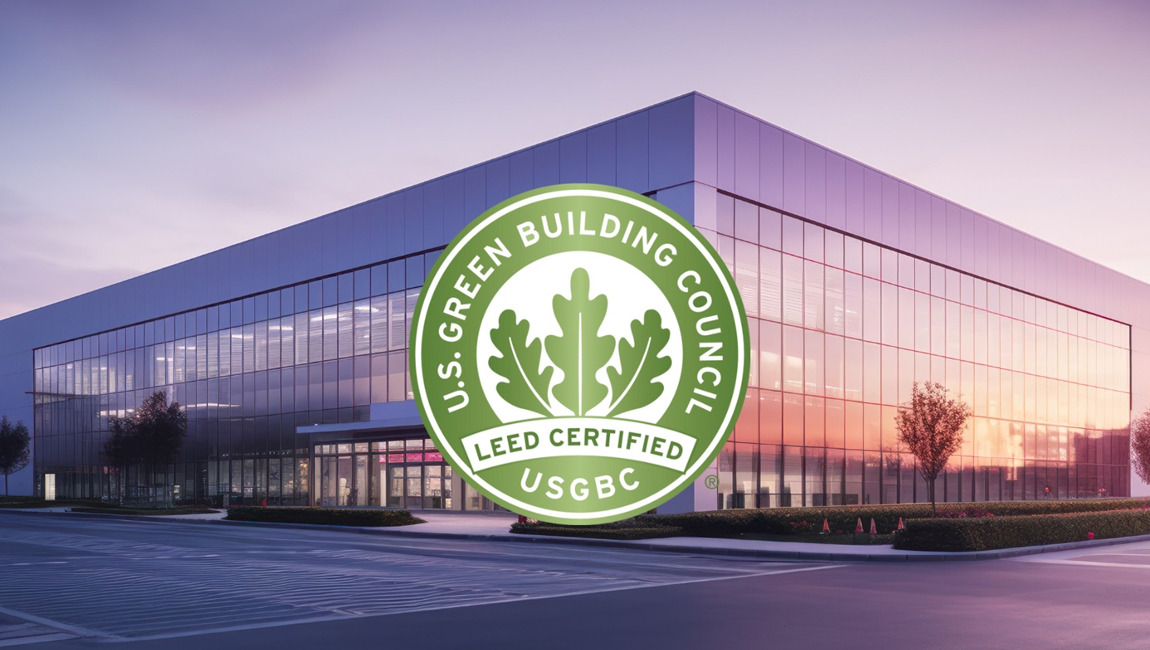
LEED is one of the most widely recognized and respected green building certification systems worldwide. Developed by the U.S. Green Building Council (USGBC) in 1993, LEED provides a framework for creating healthy, highly efficient, and cost-saving green buildings. It evaluates projects across several categories, including water efficiency, energy use, material selection, and indoor environmental quality, ensuring that buildings meet the highest sustainability standards.
LEED offers various classification systems depending on the type of building and its lifecycle phase:
●BD+C (Building Design + Construction) for new construction or major renovations.
●ID+C (Interior Design + Construction) for complete interior fit-out projects.
●O+M (Operations + Maintenance) for existing buildings undergoing minor upgrades.
●ND (Neighborhood Development) for urban developments that incorporate residential and non-residential uses.
●Homes for low- to mid-rise residential projects.
●Cities and Communities for districts and urban areas.
These systems not only encourage a holistic approach to green building but also reward projects that prioritize environmental health and resource conservation.
How Does Helvex Align with LEED?
Helvex is at the forefront of sustainable design with products that align with LEED requirements, particularly in the areas of water efficiency, material selection, and energy savings. By integrating Helvex solutions, corporate buildings, hotels, and commercial spaces can enhance their sustainability credentials, contributing to higher LEED certification levels.
1.- Water Efficiency LEED prioritizes reducing water use as one of its key pillars, and Helvex products are designed with this goal in mind. Smart faucets, low-flow showerheads, and advanced toilet systems ensure that water consumption is minimized without compromising user comfort. Helvex’s fluxometers, for instance, use just the necessary amount of water per flush, offering significant water savings that directly support LEED's water efficiency credits. By incorporating Helvex’s water-saving technologies, buildings can contribute to reducing overall water usage by up to 30%, which helps them meet LEED’s water reduction goals .
2.- Energy and Material Efficiency Many Helvex products also support LEED’s focus on energy efficiency and sustainable materials. For instance, their faucets and showerheads often incorporate temperature controls that reduce the need for excessive energy use, while the materials used in their products meet stringent environmental standards. Helvex’s commitment to high-quality, durable materials also means that their products have a longer lifespan, reducing the need for replacements and minimizing waste—key factors in achieving LEED points for materials and resource use.
3.- Indoor Environmental Quality LEED certification also focuses on improving indoor environmental quality, ensuring that occupants enjoy healthier, more comfortable spaces. Helvex products, such as faucets with anti-bacterial coatings and low-emission materials, contribute to better indoor air and water quality, creating safer environments for both workers and visitors.
Other Global Certifications
While LEED is one of the most recognized certification systems, Helvex products also align with other international standards, such as BREEAM (Building Research Establishment Environmental Assessment Method) and WELL certification, which focuses on occupant health and well-being. This ensures that wherever your project is located, Helvex can contribute to meeting and exceeding global sustainability standards.
The Lasting Impact of Sustainable Choices
Choosing products that align with LEED and other sustainability standards isn’t just about certification; it’s about making decisions that have lasting positive effects on both the environment and the bottom line. Buildings that achieve LEED certification see lower operating costs, increased asset value, and healthier indoor environments, all of which are attractive features for corporate tenants and investors.
For example, a study by the World Green Building Council found that green buildings can reduce operating costs by as much as 37%, while improving the overall occupant experience . By investing in sustainable technologies from companies like Helvex, businesses can support these broader environmental and financial goals.
Conclusion: Helvex, Your Partner in Sustainable Construction
With the construction industry continuing to prioritize green building, integrating Helvex’s sustainable solutions is a practical way to meet and exceed the highest standards in environmental responsibility. Whether your project aims for LEED certification or another sustainability benchmark, Helvex’s advanced technology, water-saving innovations, and commitment to quality materials make it the perfect partner for any sustainable construction project.
Incorporate Helvex into your next corporate building or hospitality project and take a step forward in shaping a greener, more sustainable future. Together, we can ensure that sustainability is not just an option—but the standard.